
Our last
News
Accounting Basics: T Accounts

In this case, those claims have increased, which means the number inside the bucket increases. Why is it that crediting an equity account makes it go up, rather than down? That’s because equity accounts don’t measure how t account example much your business has. Rather, they measure all of the claims that investors have against your business.
🎓 Break Into High Finance with the Investment Banking Mastery Program
If there’s one piece of accounting jargon that trips people up the most, it’s “debits and credits.” Because cash is an asset account, the Cash account will be debited for $20,000. To create and record a T account, you have to know how debit and credit rules apply to the different types of accounts. And if you’re new to the accounting world and have little knowledge in finance, T accounts can be especially useful in working through complex financial transactions. These advanced scenarios illustrate the dynamic nature of T-Accounts and their role in capturing the complexity of modern financial transactions.
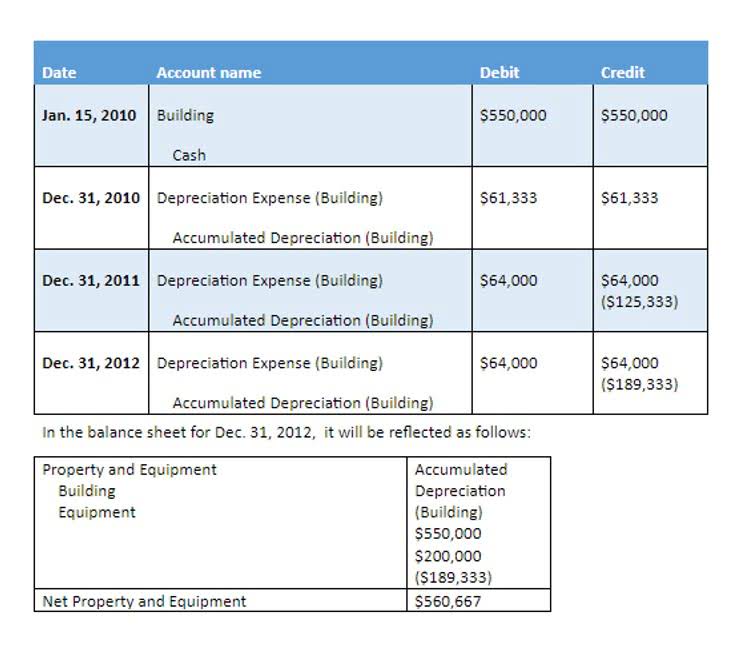
T Account Examples
You might think of D – E – A – L when recalling the accounts that are increased with a debit. Inthe above ledger illustration, the bank ledger has an opening balanceof $1,050.00. These balances are theclosing balances brought forward from the previous financial year. The IRS issues most refunds within 21 days of accepting your return, though it’s possible your tax return may require additional review and take longer to process. Note that the estimate won’t cover every type of income or unique tax situation. If your finances are more complex, it may be helpful to talk with a tax professional to get a more precise picture of your refund.
Tax Refund Estimator
Welcome to the realm of debits, credits, and T-accounts – the language of accounting. When starting out in accounting, T accounts can help you make sense of transactions in an account. It is one of the best ways to keep debits and credits straight, visually. Next we are going to build off what we have just learned and look at the normal balances of accounts in accounting. A T Account is the visual structure used in double entry bookkeeping to keep debits and credits separated. And as you’re issuing sales invoices, making payments, receiving revenue, Deskera automatically debits and credits the transaction values into the corresponding ledger accounts.
T-Account Balance
For students, it’s a learning device that helps them grasp the basics of financial recording. Each viewpoint appreciates the clarity and structure the T-Account brings to understanding financial transactions. T-accounts, a basic accounting tool, support procurement by showing spending patterns, recording transactions, and ensuring accurate financial records. They link procurement to financial goals, monitor budgets, and verify invoices precisely. To maintain balance, repeat this process for all accounts involved in the transaction. The visual representation below tracks each account’s debit and credit flow.
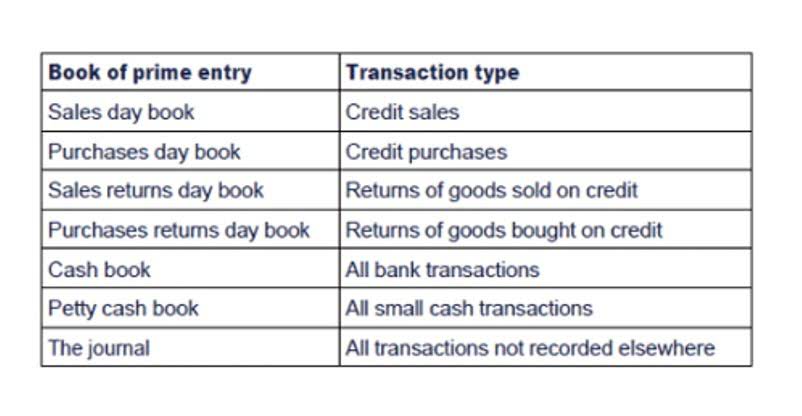
This knowledge https://ultrasoundconsultancy.com.np/accounting-cpa-and-tax-services-quicklink-category-2/ is crucial for maintaining control over your finances. In conclusion, maintaining accuracy in recording and classifying debits and credits is vital for proper financial reporting. Imagine you are stepping into the world of finance, where every dollar counts and every transaction has an impact. In this complex landscape, understanding financial transactions is essential for gaining control over your money.
Can you explain the concept of double-entry bookkeeping?

After a few days of receiving the invoice for the rent, i.e., on April 7th, 2019, accounting Mr. X makes the same payment. Therevenue and expenses accounts are always cleared at the end of afinancial year so they start the new year with a zero balance. All asset, liability and equity accounts will have an opening balanceat the beginning of a new financial year.
Your client work done on time, every time.

Keeping in mind the accounting equation, below is a list that shows you what happens to each account when it is debited and when it is credited. Credits are recorded on the right-hand side of the entry, which always means “what you own”, decreasing amounts owed on your balance sheet. Not all debits are increases, and not all credits are decreases. Debits are recorded on the left-hand side of the entry, which always means “what you owe”, increasing amounts owed on your balance sheet.
Rent Expense Account
This account is then closed to the owner’s capital account or a corporation’s retained earnings account. This and other summary accounts can be thought of as a clearing account. Sales are reported in the accounting period in which title to the merchandise was transferred from the seller to the buyer.
- The book value of a company equal to the recorded amounts of assets minus the recorded amounts of liabilities.
- Each movement complements the other to create a harmonious balance of information.
- This step ensures balances are categorized under the right accounts.
- Since cash was paid out, the asset account Cash is credited and another account needs to be debited.
T-accounts are simple, visual tools that illustrate how individual transactions affect a specific account and show debits on the left and credits on the right. They’re typically used for learning, troubleshooting, or quick analysis. Generally, expenses are debited to a specific expense account and the normal balance of an expense account is a debit balance. An account with a balance that is the opposite of the normal balance. For example, Accumulated Depreciation is a contra asset account, because its credit balance is contra to the debit balance for an asset account. This is an owner’s equity account and as such you would expect a credit balance.