
Our last
News
Why I Check Every NFT Drop on Solana with a Tracker — and How Solscan Makes It Easier
- 0 Comment
- 133 views
Whoa! Seriously? Okay, so hear me out. I started watching NFT drops on Solana because I was curious about how quickly metadata, mint accounts, and signatures show up on-chain. My instinct said there would be delays, and somethin’ felt off about relying on a single dashboard for everything. Initially I thought wallet UI feeds would be enough, but then realized you miss a lot of forensic detail if you don’t peek under the hood.
Here’s the thing. NFT tracking isn’t just about “who bought what.” It’s about provenance, rug-pull signals, and metadata changes that can ruin a project overnight. Hmm… some mints look great until you see repeated metadata updates that point to potential backdoor edits. On the one hand, marketplaces surface listings fast. On the other hand, raw blockchain explorers show the canonical truth, though actually—wait—interpreting that truth takes work. My gut told me that an explorer built for Solana’s specific quirks would help, and after using a few tools I kept circling back to one that simply fit the workflow.
Shortcuts matter. Really they do. If you’re trying to monitor a live mint or scan a whale wallet, minor delays cost you insight, and sometimes money. I once watched a rare mint transfer three times due to indexer lag. Ugh—those moments bug me. (oh, and by the way…) Real-time indexing is not uniform across platforms, which is why specialized Solana analytics matter so much.
How an NFT Tracker Changes Your View of a Drop
Tracking a mint from genesis to first sale reveals patterns that most users never see. For example: repeated initialization calls, unexpected authority transfers, and sudden token burns can all be red flags. Initially I thought such signals were rare, but browsing multiple projects showed them in surprisingly common places. On one occasion a creator pushed an off-chain metadata change after a big sale, and the timeline made the sequence obvious. That moment felt like an aha—hard to ignore.
Okay, so check this out—when you use a detailed explorer you get transaction-level context: raw instructions, program IDs, and exact lamport flows. That matters if you’re verifying whether a “reveal” was pre-signed or manipulated off-chain. I’m biased, but explorers that let you filter by instruction type (mint, transfer, approve) are life-changing for collectors. They’re very very important when you’re trying to audit a contract quickly.
Why I Recommend solscan explorer for NFT Workflows
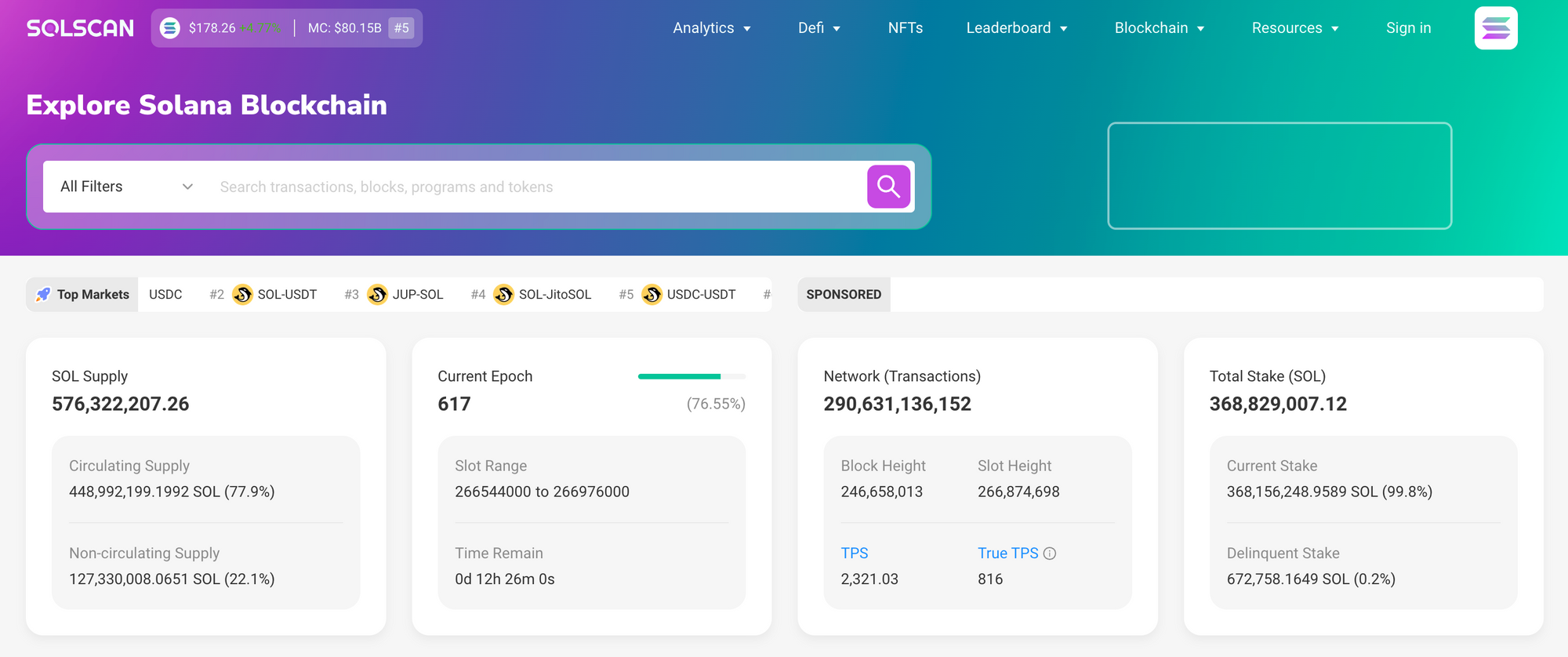
I’ve spent time cross-checking many explorers against on-chain activity. The one that kept returning reliable, accessible data was the solscan explorer. It surfaces parsed token metadata, shows parsed NFT collections, and gives a readable breakdown of each transaction’s instructions. Seriously? Yep. The UI balances depth and clarity, which is rare. On a practical level, that means faster triage when something smells off—because the facts are laid out and you can follow the state changes step by step.
That said, no tool is perfect. Sometimes indexers lag during big drops, and sometimes program logs are noisy or truncated. Initially I expected perfect coverage, but then realized indexing and RPC throughput are real-world constraints. On a high-traffic mint these constraints matter, and if you rely only on summaries you can miss subtle clues. So I pair explorer checks with RPC health monitoring and occasionally raw getConfirmedTransaction pulls.
There’s an emotional thing here too. Watching the chain in near real-time feels a bit like following a live sports game. You’re excited, anxious, sometimes elated. It adds a human layer to what is otherwise dry data. My advice: treat NFT tracking like detective work. Look for anomalies. Cross-verify. Trust your instincts, but verify with data.
Practical Steps to Track NFTs on Solana
Start by identifying the mint account and the token metadata program call. Then follow these steps in order.
1. Inspect the initial mint transaction for authority keys and metadata initialization calls. 2. Check subsequent updates to the metadata account for any mutable flags or off-chain link changes. 3. Watch transfers and approvals closely; repeated approvals to unknown programs are a red flag. 4. Use parsed logs to understand program flow—this often explains weird lamport movements. 5. Cross-check on-chain signatures and timestamps against marketplace listings.
Some of this is tedious. I’ll be honest—it’s not glamorous. But the payoff is catching issues before a sale goes live or before you mint from a suspicious collection. (and again… those small checks can save a lot of headache)
Common Pitfalls and How to Avoid Them
One common mistake is treating marketplace metadata as canonical. Marketplace feeds are convenient but they sometimes cache stale info. Another pitfall is ignoring program IDs; clones and scams often reuse known program patterns to appear legit. On the flip side, not every anomaly is malicious—some projects intentionally update metadata for legitimate reasons. On one hand that’s fine, though actually it’s crucial to check the project’s governance notes or changelogs when you spot such updates.
Pro tip: use transaction memos and program logs to trace a project’s development history. That gives you context beyond raw transfers. And, keep an eye on token holders composition; sudden concentration shifts often precede dumps. I’m not 100% sure about all edge cases, but those heuristics have been reliable enough for routine vetting.
Frequently Asked Questions
How quickly does index data appear for new mints?
It depends on load and the explorer’s indexer setup. Often you’ll see parsed data within seconds to a few minutes, but during major drops indexing can lag and some details may appear later. If you need millisecond-level certainty, pair explorer checks with raw RPC queries and watch the transaction signatures directly.
Can metadata be changed after mint?
Yes—if the metadata is set as mutable. That alone doesn’t mean malice, but it’s a signal to investigate. Look for who holds the update authority and whether updates correlate with sales or sudden value changes.
What’s the single best habit for collectors?
Always check the mint transaction and the metadata account before buying or minting. Quick habit, big protective value.